






Artificial Intelligence is transforming the way modern technology processes information, automates tasks, and makes decisions. Its influence is also expanding across the crypto ecosystem, where blockchain projects are increasingly integrating AI into their infrastructure and applications. This convergence has given rise to a new category of tokens that support decentralised networks built around machine learning, intelligent automation, and data-driven applications.
AI-powered crypto tokens are digital assets associated with blockchain projects that incorporate artificial intelligence into their core functionality. Their use cases span decentralised computing, autonomous AI agents, machine learning, data marketplaces, and other applications that require advanced data processing and automation. As demand grows for systems capable of analysing information, executing tasks, and adapting with minimal human intervention, these tokens are becoming an increasingly prominent part of the Web3 landscape.
In 2026, the intersection of AI and crypto is moving beyond early experimentation, with projects increasingly focused on real-world applications and infrastructure. From decentralised GPU networks and AI model development to on-chain agents and machine learning marketplaces, the sector is expanding across multiple layers of the digital economy. By bringing together the computational capabilities of AI and the decentralised architecture of blockchain, these projects are helping shape a more intelligent and adaptable Web3 ecosystem.
Here are five AI-driven crypto tokens that highlight some of the key developments and use cases emerging at this intersection of AI and blockchain.
Also Read: Crypto Investing vs. Crypto Trading
Snapshot of the Trending AI Crypto Coins
| Coin Name | Current Price | Market Capitalization | 24-Hour Volume |
| Bittensor (TAO) | $202.58 | $2.27 billion | $110.75 million |
| NEAR Protocol (NEAR) | $1.64 | $2.14 billion | $121.44 million |
| Internet Computer (ICP) | $2.22 | $1.23 billion | $32.27 million |
| Render (RENDER) | $1.29 | $672.61 million | $19.97 million |
| Venice Token (VVV) | $12.16 | $578.97 million | $12.93 million |
Note: This list has been made based on internal research and should not be taken as investment advice. Investors should do their thorough research before buying or selling crypto assets.
Also Read: Top 10 Free Crypto Mining Apps in India for 2026
Bittensor (TAO)
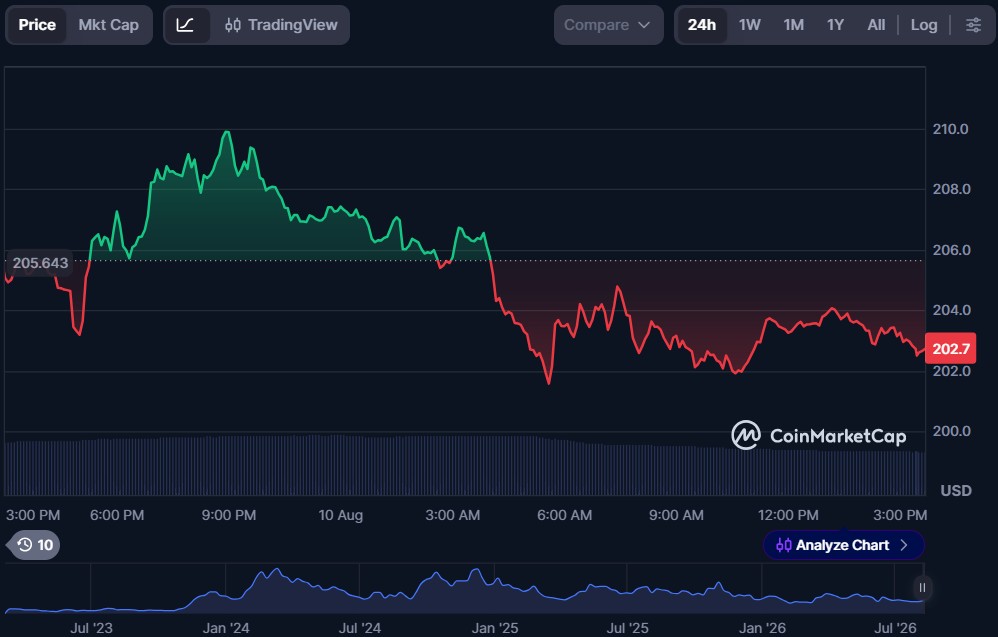
Bittensor is an innovative open-source protocol that powers a decentralized machine-learning network built on blockchain technology. It facilitates a collaborative training environment where machine learning models work together, earning rewards in the form of TAO tokens based on the valuable information they contribute to the collective intelligence. Additionally, TAO enables external access, allowing users to tap into the network’s wealth of knowledge while guiding its activities to align with their specific requirements. At its core, Bittensor’s ambitious goal is to establish a pure marketplace for artificial intelligence, a fair and incentivized arena where consumers and producers can engage in trustless, open, and transparent interactions.
NEAR Protocol (NEAR)
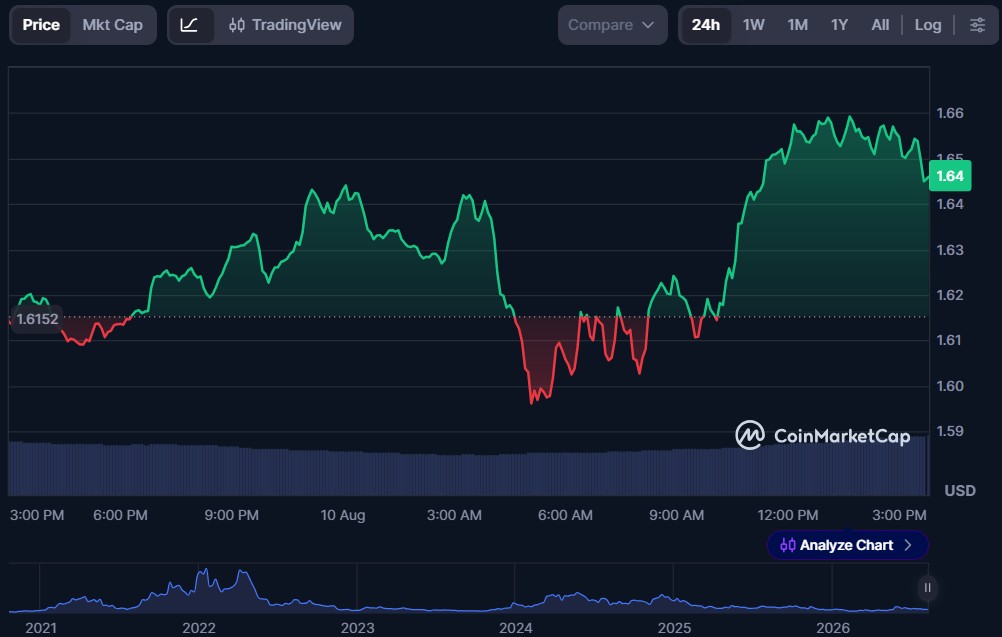
NEAR Protocol focuses on incentivising a network of computers to operate a platform for developers to create and launch decentralised applications. It uses the process of sharding to split the network’s infrastructure into segments for nodes to only have to handle a fraction of the network’s transactions. Sharding is expected to be more efficient and requires less computing power. NEAR Protocol works similar to other cloud companies like Amazon Web Services, over which other applications can be built. But unlike legacy solutions where there is a single entity, NEAR is operated and maintained by a distributed network of computers.
Also Read: What is NEAR Protocol (NEAR)
Internet Computer (ICP)
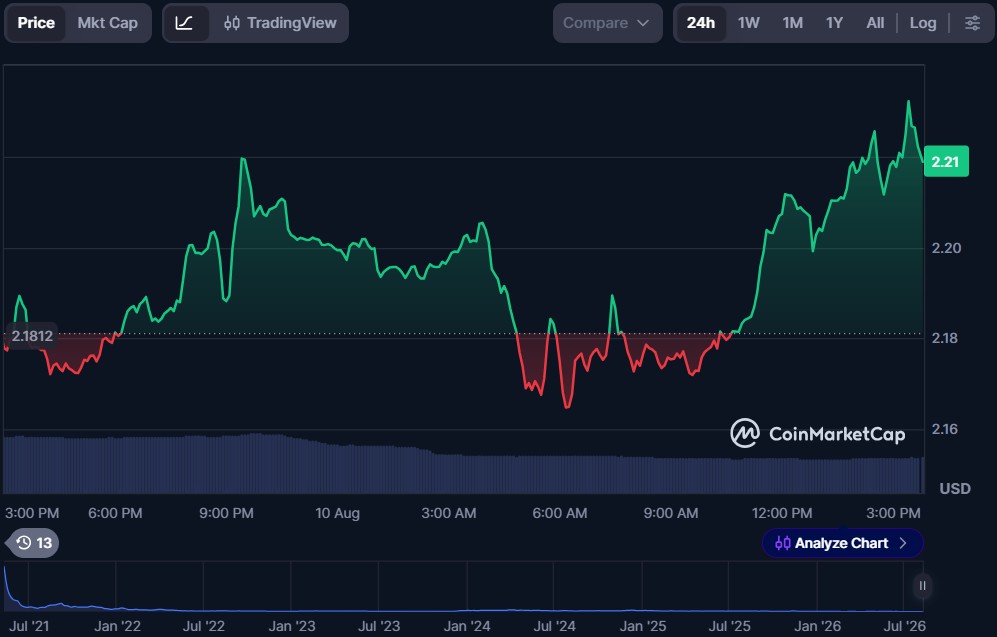
Internet Computer (ICP) protocol gives us the power of limitless smart contracts to host data, computing, user experience and content, on-chain. It allows us to build tamperproof Web 3 social media, enterprise infrastructure, gaming and virtual reality. Internet Computer (ICP) gives full-stack decentralisation and multi-chain options. It focuses on scalability and utility with a low carbon footprint. It is committed to building Greentech Web3 solutions.
Render (RENDER)
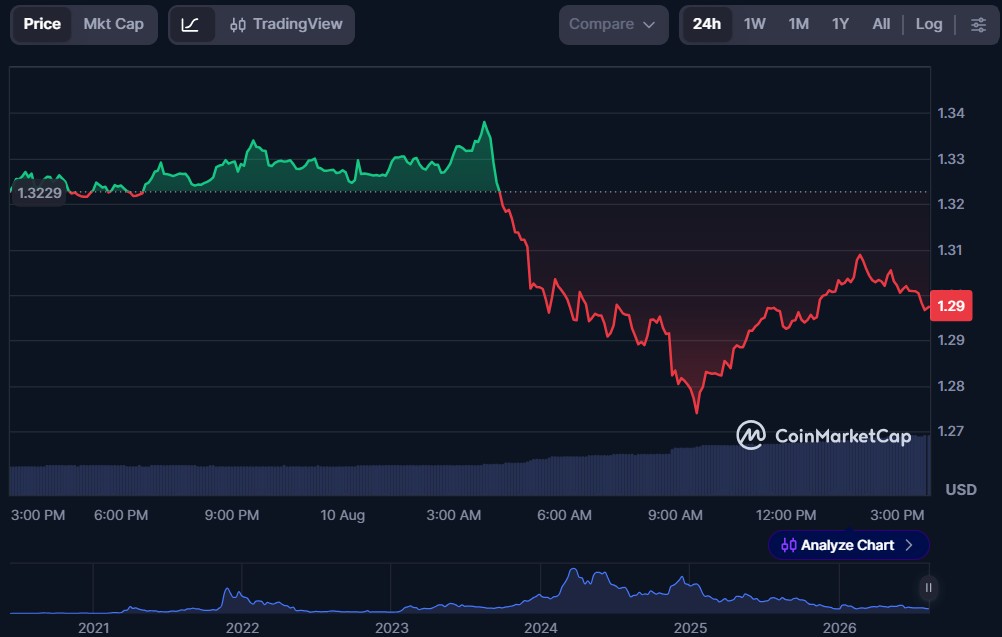
Render is an Ethereum blockchain-based distributed GPU network that functions as an essential platform for animation, VFX rendering, and motion graphics. Its native token, Render (RNDR), serves as a utility token specifically designed for utilization within the Render network. The network comprises two primary stakeholders: 1) Creators and 2) Node operators. Through the Render network, creators gain access to the immense GPU power available on the network, enabling them to generate high-quality images and visually captivating content at exceptional speeds and reduced costs. On the other hand, node operators lease out their GPU processing power to these creators and, in return, receive render tokens as rewards.
Venice Token (VVV)
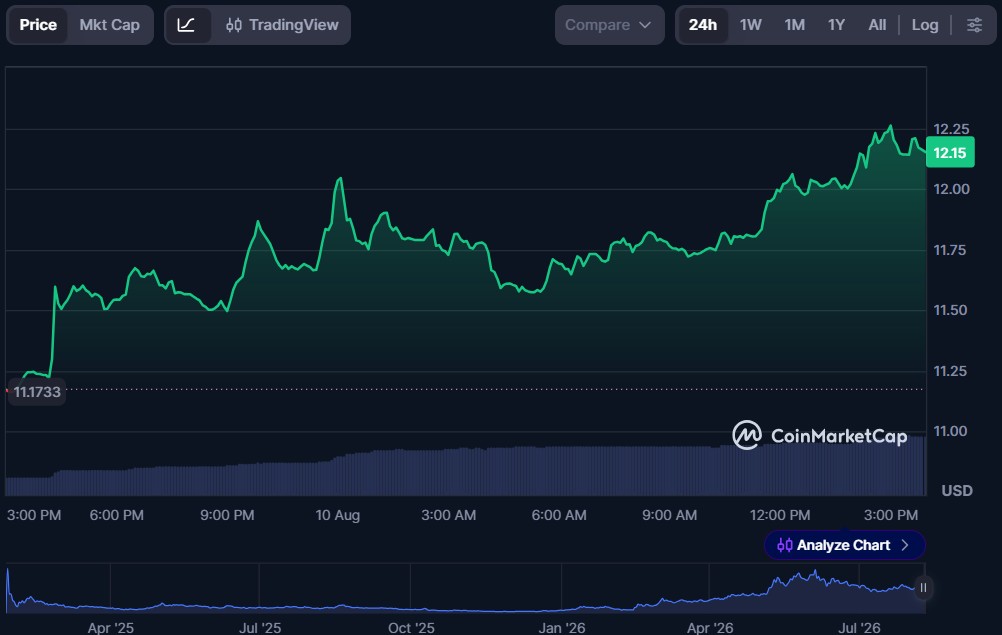
Venice.ai is a decentralized AI platform designed to offer private, permissionless, and censorship-resistant access to artificial intelligence services for users, developers, and AI agents. Its native utility token, Venice Token (VVV), is an ERC-20 token built on Ethereum’s Base network that powers the platform’s AI economy by granting token holders access to AI inference without requiring payment for every individual request. The Venice ecosystem is driven by two key participants: users and developers who utilize AI services, and VVV holders who stake their tokens to support the network and unlock additional benefits. Staking VVV enables holders to earn rewards and mint DIEM, a tokenized compute asset that provides recurring Venice API credits.
Also Read: How to Choose AI for Crypto Trading?
Final Thoughts
Blockchain networks are evolving beyond their traditional role as decentralised ledgers, with artificial intelligence increasingly being integrated into their underlying infrastructure. AI-powered tokens are emerging at the intersection of these technologies, supporting applications that use machine learning, automation, and data-driven processes to make decentralised networks more capable and adaptive.
The significance of this convergence extends beyond simply adding AI features to blockchain platforms. AI can enhance areas such as computational efficiency, cross-chain communication, data processing, and protocol-level decision-making, allowing networks to respond more effectively to changing conditions. This combination is opening up new possibilities for decentralised infrastructure and expanding what blockchain-based systems can accomplish.
As the AI crypto sector develops, attention is increasingly shifting towards projects that can demonstrate meaningful utility and technological substance. Strong development capabilities, practical use cases, sustainable tokenomics, and continued ecosystem growth are becoming important factors in distinguishing projects with long-term potential from those driven primarily by market attention.
Also Read: What are Crypto Trading Bots
In the grand scheme of things, ZebPay blogs are here to provide you with crypto wisdom. Get started today and join 6 million+ registered users to explore endless features on ZebPay!
FAQs
What are AI coins and how do they work?
AI coins are crypto assets linked to blockchain projects that integrate artificial intelligence technologies. These projects may use AI for automation, data analysis, decentralized computing, predictive models, trading tools, or machine learning applications within blockchain ecosystems.
Why are AI crypto assets gaining popularity in the crypto market?
AI crypto assets are gaining attention because they combine two rapidly growing technologies: artificial intelligence and blockchain. Increasing interest in AI-driven innovation, automation, and decentralized infrastructure has contributed to rising investor interest in AI-focused crypto projects.
What factors should investors consider before investing in AI coins?
Before investing in AI coins, investors often evaluate factors such as the project’s real-world utility, development team, technological innovation, tokenomics, partnerships, adoption potential, market capitalization, and overall community support.
How are AI coins connected to blockchain technology and artificial intelligence?
AI coins typically power blockchain ecosystems that use artificial intelligence to improve efficiency, automation, data processing, or decentralized services. Blockchain helps provide transparency and security, while AI enhances decision-making and computational capabilities within the network.
Can AI coins play a major role in the future of decentralized technology?
Many industry participants believe AI coins could contribute significantly to the future of decentralized technology by supporting AI-powered applications, decentralized computing networks, smart automation, and advanced blockchain infrastructure across multiple industries.